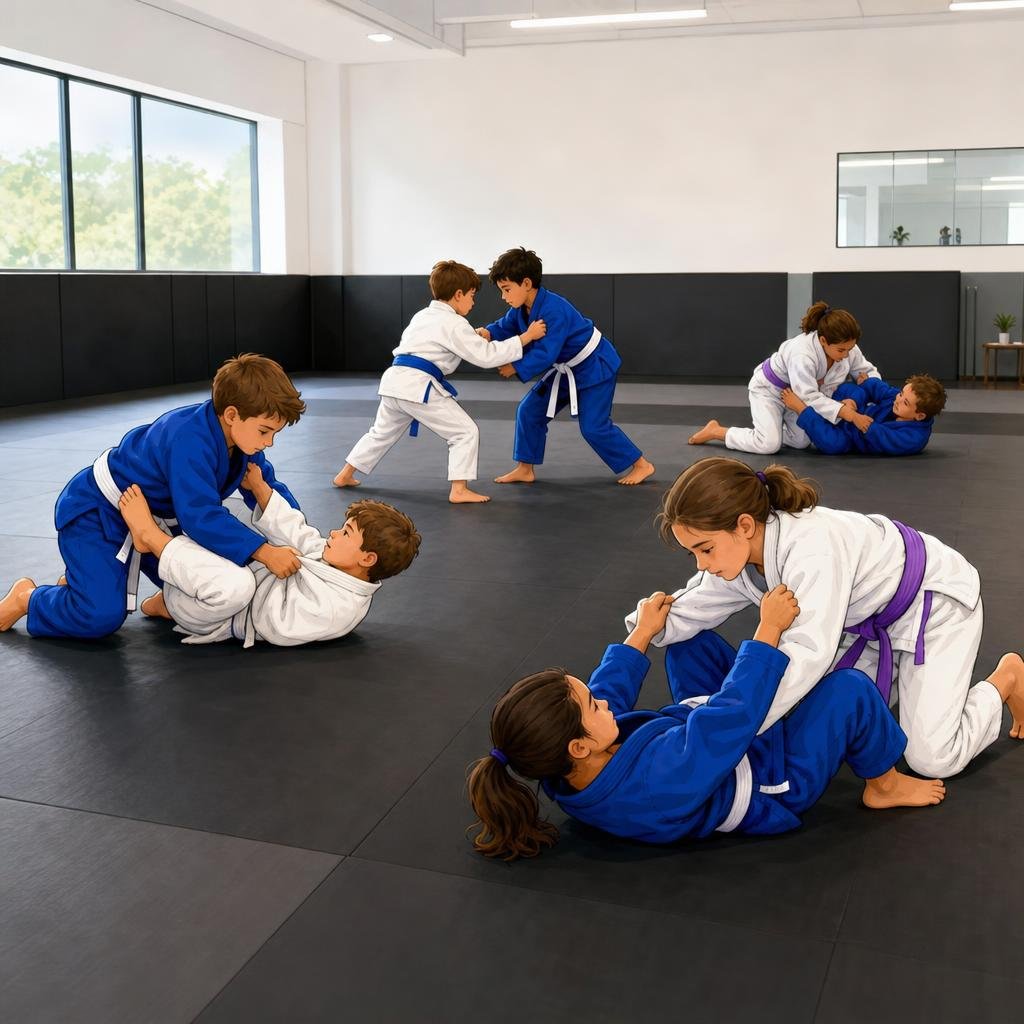
Brazilian Jiu Jitsu (BJJ) offers teens an extraordinary combination of physical fitness, mental discipline, and self-confidence. While some view it as merely a martial art, its impact on adolescents can be profoundly life-changing. Teen Brazilian jiu jitsu class training at Cobrinha BJJ, led by 8x World Champion Rubens Cobrinha Charles, provides this transformative journey in a supportive environment.
The Unique Benefits of BJJ for Teens
Engaging teens in Brazilian jiu jitsu isn’t just about learning self-defense techniques; it’s about nurturing their overall development. This martial art focuses on leverage and technique over brute strength, making it ideal for all body types.
Physical Fitness and Health
Teen BJJ training at Cobrinha BJJ integrates rigorous physical activity that enhances cardiovascular endurance, increases flexibility, and builds muscle strength. Unlike many other sports, BJJ uses complex motions that improve coordination and balance.
Youth engaged in this training often report improvements in their overall health, making BJJ a sustainable fitness solution. The structured workouts also help maintain a healthy weight and foster a lifelong appreciation for physical activity that surpasses traditional sports.
Mental Growth and Emotional Well-being
BJJ is mentally stimulating because it involves strategic thinking and problem-solving. As students spar with partners, they learn to anticipate moves, develop strategies, and adapt under pressure. This develops resilience and a growth mindset. It’s normal for teens to face self-doubt, especially when starting out, but mastering this martial art at Cobrinha BJJ helps replace that with confidence and self-esteem.
The classes offer a sense of community among peers, where mutual respect and shared goals thrive. This supportive network is crucial in the turbulent years of teenagehood.
Core Techniques and Training Components
In Cobrinha BJJ’s teen classes, students receive instruction on foundational techniques vital for both competition and self-defense.
Guard Passes and Sweeps
Guard passing is a critical skill to control an opponent’s defenses. Teens are taught different methods, including Toreando, Bull Fighter, and Leg Drag passes. Mastering these techniques takes practice and patience but offers significant advantages in sparring.
Sweeps are equally important. They are techniques allowing a practitioner on the bottom to reverse positions and come on top. From the basic Scissor Sweep to the more dynamic Tripod Sweep, each technique focuses on timing and the effective use of one’s own or the opponent’s momentum.
Submission Skills
No BJJ journey is complete without understanding submissions. Students learn safe and effective submissions like the armbar, triangle choke, and kimura, all while understanding the importance of controlled and respectful application.
For those looking to deepen their understanding of the evolving landscape of Brazilian Jiu Jitsu, BJJ.ee’s exploration of future trends and gear covers this in detail, providing additional perspective for curious minds.
Cobrinha BJJ: Cultivating Champions and Confidence
At Cobrinha BJJ, the teen Brazilian jiu jitsu program is robust, emphasizing mastery over memorization and personal growth over competition.
Belt Promotions and Achievements
Belt promotions in BJJ signify growth and dedication. At Cobrinha BJJ, promotions are based on skill, knowledge, and personal improvement rather than participation. Rubens Cobrinha Charles instills in his students the virtues of patience and persistence.
Competitive Edge
For those interested in competing, Cobrinha BJJ offers tailored coaching to prepare students, practicing in realistic scenarios, tightening techniques, and fostering mental toughness necessary for matches. Rated 4.9★ by 204 members on Google, this program is recognized for its outstanding coaching.
Cobrinha BJJ and Community: Parental Involvement
Parents play a critical role in their teen’s BJJ journey. Engaging in the community and supporting their child’s commitment can greatly enhance their development experience. Information about the program can be explored further here.
Encouragement and Participation
Encouraging open discussions about goals and achievements helps teens feel supported. Attending class demonstrations and competitions as a family fosters a deeper connection with the practice, building communal spirits within the dojo.
Practical Training Advice for Success
As a dedicated coach with over 14 years of experience, success in BJJ doesn’t only involve technical skill; it requires a holistic approach to training.
Setting Personal Goals
Teens often begin training with different objectives. Some might aim to compete, while others might focus on improving fitness or self-esteem. Whatever the goal, setting incremental milestones encourages continuous progress and motivation.
Consistent Practice
Consistency is key in BJJ, as skills refine through repetition. Encourage attendance even on challenging days since those may be the most rewarding. This discipline extends beyond the mat and into their daily lives.
Injury Prevention
Ensuring proper warm-ups and cool-down sessions are crucial to preventing injuries. Listening attentively to one’s body and communicating discomfort or pain to coaches ensures a safe training environment.
Comparison: Basic vs. Advanced Approaches
The journey from beginner to advanced BJJ practitioner is marked by growth in physical ability, technical skill, and mental acuity. Below is a comparison highlighting the progression in a teen’s BJJ training.
| Basic Approach | Advanced Approach |
|---|---|
| Focuses on basic positions: guard, mount | Incorporates advanced positions: De La Riva, X-guard |
| Emphasis on fundamental techniques | Combines techniques for strategy-driven sparring |
| Initially prioritizes defense | Engages in creating offensive opportunities |
| Learning the tap-out culture | Refining submissions with precision |
Key Takeaways
- BJJ offers comprehensive physical and mental growth for teens.
- Master key techniques with respect and sportsmanship.
- Engage parental support to enhance the BJJ experience.
- Consistent training fosters skill improvement and confidence.
- Understand injury prevention to ensure a safe journey.
FAQ
How can beginners overcome nerves before their first class?
Understanding that everyone starts somewhere helps ease nerves. Observing a class beforehand can also provide familiarity, making the first experience more approachable.
Are there competitions available for teen participants?
Yes, many regional and national competitions cater to teens, offering opportunities to test their skills and gain experience in competitive settings.
What are the benefits of parental involvement in BJJ?
Parental involvement provides encouragement and understanding of progress, forming a supportive network beneficial for the teen’s growth.
Can teens join BJJ with no prior martial arts experience?
Absolutely. BJJ is designed to be accessible for newcomers, emphasizing learning at one’s own pace with guidance from experienced coaches.
What should teens wear for BJJ class?
Teens typically wear a gi, which is the traditional uniform for BJJ, though a rash guard and training shorts are also suitable for no-gi classes.
Embarking on the path of Brazilian Jiu Jitsu at Cobrinha BJJ offers teens more than just martial arts skills—it builds a foundation of strength, resilience, and community. As they progress, they not only learn to face opponents but also carry valuable lessons into every aspect of life, creating a blueprint for future success.
What Our Students Say — 4.9★ | Based on 204 Reviews
★★★★★
“I have been a student here for over 4 years and am continuously impressed and beyond satisfied with the quality and level of Brazilian Jiu-Jitsu.”
— Caroline