—
Recovery is perhaps the most underrated aspect of mastering Brazilian Jiu-Jitsu. Many practitioners overlook the importance of proper recovery techniques, leading to injuries, burnout, and stagnation in progression. It’s worth noting that at Cobrinha BJJ, we emphasize recovery as part of a comprehensive training strategy. In this article, we’ll delve into some of the most effective recovery methods that not only enhance physical recuperation but also preserve your mental well-being, proving that recovery is as critical as the time spent on the mat.
Understanding the Importance of Recovery in BJJ
Brazilian Jiu-Jitsu is a demanding martial art that requires both physical prowess and mental acuity. While the thrill of rolling on the mats at Cobrinha BJJ — rated 4.9★ by 204 members on Google — can be endlessly satisfying, over time, unheeded stress on the body can lead to decreased performance. Effective recovery techniques are essential to maintain balance and sustain a long, productive BJJ career.
At the core, recovery is about allowing your body the downtime it needs to repair, rebuild, and come back stronger. The benefits range from improved performance and reduced injury risk to enhanced muscle growth and mental resilience. Without a well-planned recovery regimen, you risk not only your physical health but also your mental edge, both of which are crucial for success.
Incorporating Active Recovery
Active recovery involves low-intensity exercises that help keep the body in motion without exerting it too much. This approach facilitates better circulation, which is vital for mending tissues and removing toxins that accumulate during intense workouts.
Examples of Active Recovery
Some effective forms of active recovery include swimming, cycling, and yoga. These activities help maintain cardiovascular health and flexibility without putting additional strain on the body. If swimming and cycling seem inaccessible, consider yoga. For those looking to integrate yoga into their recovery routine, Hatha Yoga classes at Rajas Movement provide an excellent starting point.
For grapplers specifically, active recovery can be as simple as light drilling or positional sparring with a focus on technique rather than intensity. These practices not only help maintain physical conditioning but are also a great way to reinforce muscle memory.
Nutrition: Fueling the Recovery Process
Nutrition plays a pivotal role in your recovery journey. Consuming the right nutrients post-training can significantly influence how quickly and effectively you recover.
Key Nutrients for Recovery
– Proteins: Vital for repairing muscle fibers. Lean meats, fish, and legumes are excellent sources.
– Carbohydrates: Provide the energy required for recovery activities and fuel the muscles for future sessions.
– Fats: Essential fats support joint health and reduce inflammation.
An effective way to ensure you’re getting these essential nutrients is through a balanced meal plan tailored to your personal needs. While everyone is different, keeping a food journal can help you track what works best for you.
The Role of Sleep in Recovery
Another cornerstone of effective recovery is sleep. During sleep, the body releases growth hormone, which is instrumental in muscle recovery. Getting adequate rest boosts mood, sharpens reflexes, and reduces the perceived effort needed for BJJ training.
Creating a Sleep-Enhancing Environment
Make sure your bedroom is a sleep sanctuary. A dark, quiet, and cool room can promote better sleep quality. Also, try to stick to a consistent sleep schedule even on weekends; this helps regulate your body’s internal clock.
To aid your recovery further, consider incorporating power naps into your daily routine, especially on heavy training days. Even 15-20 minutes of shut-eye can significantly boost cognitive function and reduce fatigue.
Comparing Massage Therapy and Foam Rolling
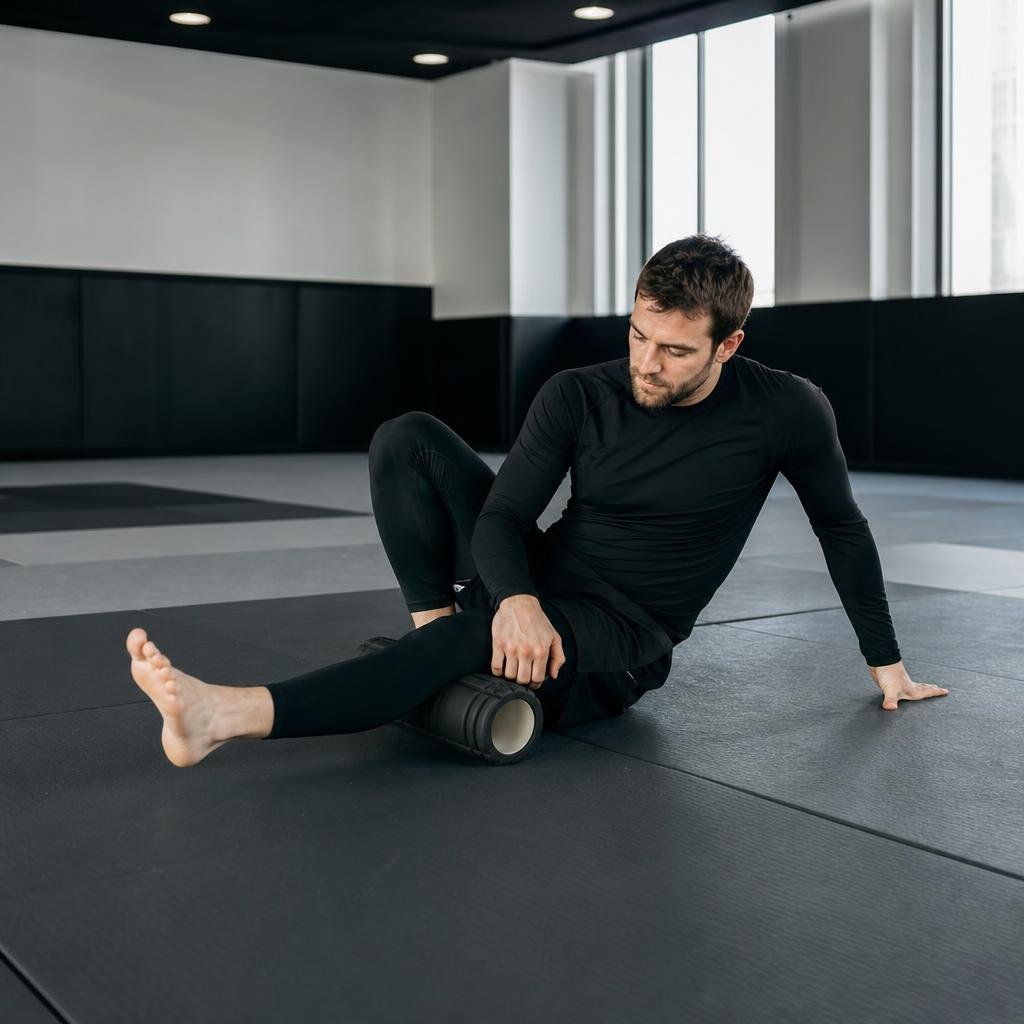
Both massage therapy and foam rolling are invaluable tools for recovery in BJJ. While each option offers distinct benefits, understanding their differences can help you decide which is more suitable for your personal needs.
| Massage Therapy | Foam Rolling |
|---|---|
| Best for deep muscle relief and relaxation. | Great for targeting specific muscle groups post-training. |
| Typically performed by a professional. | Self-directed and can be done anywhere. |
| Aids overall stress reduction and recovery. | Cost-effective with one-time equipment purchase. |
| Can address multiple muscle layers dynamically. | Ideal for maintaining mobility and flexibility. |
| Recommended bi-weekly or monthly. | Can be integrated into daily routines. |
Both can be highly effective when integrated into a structured recovery routine, ensuring that you are both rolling and recovering like a pro.
Enhancing Mental Recovery
The mental aspect of recovery is often overshadowed by physical needs but is equally important. Managing stress, maintaining focus, and enhancing mental resilience can set apart proficient athletes from the truly exceptional ones.
Techniques for Mental Recovery
Meditation and mindfulness are profound tools for mental recovery. Guided meditation sessions can help you achieve greater focus on the mat while reducing anxiety. Similarly, deep breathing exercises can assist in controlling nerves, particularly before competitions or belt tests.
For those looking to deepen their understanding of active recovery, BJJ.ee’s article on mental hacks for overtrained fighters covers this in detail, offering insights into maintaining one’s mental edge.
Key Takeaways
- Active recovery like yoga or light drilling maintains conditioning without overexerting.
- Proper nutrition and hydration are crucial to effective muscle recovery.
- Quality sleep significantly boosts both physical recovery and mental acuity.
- Foam rolling is a practical, cost-effective alternative to professional massage.
- Mental recovery tools like meditation can enhance performance and focus.
FAQ
How often should I implement recovery techniques?
Ideally, integrate some form of recovery technique after every BJJ session to aid recuperation and prepare for your next training. Regularly evaluating and adjusting your approach will promote long-term success.
What role does hydration play in recovery?
Proper hydration is vital for muscle function and helps flush out toxins, aiding recovery. Ensure you’re drinking enough fluids before, during, and after your workouts.
Can I achieve effective recovery without professional massage?
Yes, techniques like foam rolling and active recovery can be very effective. These methods ensure you maintain mobility and flexibility while promoting muscle repair.
Is mental recovery as important as physical recovery?
Absolutely. Mental recovery can significantly impact your performance, focus, and stress levels. Techniques like meditation or mindfulness can enhance your training experience.
Why is nutrition important for recovery?
Nutrition provides the necessary building blocks for muscle repair and energy restoration. A well-balanced diet ensures your body functions optimally during recovery.
To fully appreciate the legacy of recovery in BJJ and all aspects of training, Master Cobrinha’s approach to Brazilian Jiu-Jitsu incorporates comprehensive techniques that elevate both athletic performance and spiritual growth. Discover more about Master Cobrinha’s BJJ Legacy and how it can inspire your journey.
What Our Students Say — 4.9★ | Based on 204 Reviews
★★★★★
“Outstanding group of professionals. I took my first class and they encouraged us beginners to try the new techniques and ask as many questions as we needed.”
— Cesar