In the high-stakes world of Brazilian Jiu-Jitsu (BJJ), mastering the art of choke grappling is not just about gaining the upper hand—it’s about securing victory with surgical precision. While many BJJ practitioners strive to perfect their arm bars and sweeps, it’s often the expertly executed chokes that dismantle an opponent’s defense and tilt the scales in your favor. If you’ve ever wondered how world champions like Rubens Cobrinha Charles make it seem effortless, it’s no accident. Their secret weapon? A deep understanding of choke techniques that are both fierce and fluid. Dive into this fascinating subfield of martial arts as we unravel the nuances of choke grappling.
The Fundamentals of Choke Grappling
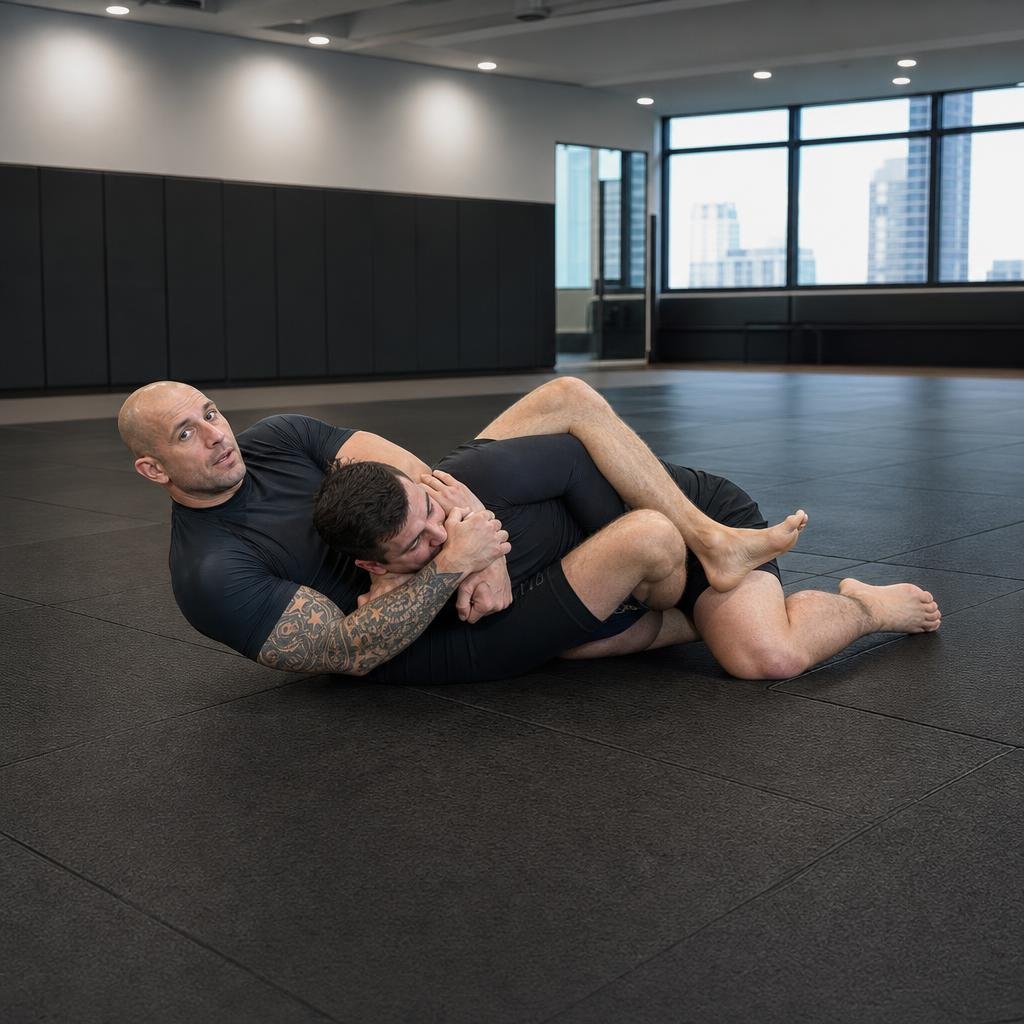
Choke grappling in Brazilian Jiu-Jitsu revolves around applying pressure to the neck from various positions to force an opponent into submission. The intricate dance of positioning, timing, and technique is what sets apart a masterful choke from an attempted one. In essence, these moves restrict blood flow or airflow, compelling an opponent to “tap out” or concede victory to avoid unconsciousness or injury.
Types of Chokes
There are two primary types of chokes in BJJ: air chokes and blood chokes. Air chokes compress the windpipe and are often less favored due to potential injury risks. Blood chokes, however, are more efficient and less injurious as they cut off the blood supply to the brain by compressing the carotid arteries.
Essential Positions for Chokes
Being in the right position is crucial when executing chokes. Some popular positions include:
– Guard: Executing a choke from the guard makes use of your legs to control the opponent while working to secure the neck.
– Mount: From a mounted position, you can apply significant pressure, making it easier to lock a choke.
– Back Control: This is one of the most advantageous positions, where you can apply rear-naked chokes effectively.
Popular Choke Techniques
To expand your grappling portfolio, here are some of the most popular choke techniques taught at Cobrinha BJJ.
Rear-Naked Choke
The rear-naked choke (RNC) is often hailed as one of the most effective submission holds in BJJ. Here’s how to execute it:
1. Take the Back: Secure back control with your legs wrapped around the opponent’s waist.
2. Position Your Arms: Slide your dominant arm under the opponent’s chin and grip your opposite bicep.
3. Apply Pressure: Squeeze your elbows together while applying pressure with your chest.
Triangle Choke
The triangle choke is both a blood choke and a testament to the magic of leverage in BJJ.
1. Start in Guard: Use your legs to keep your opponent controlled.
2. Set Up the Triangle: Isolate one of the opponent’s arms while bringing your shin across their neck.
3. Lock the Choke: Snap your leg over the trapped arm and under your knee, pulling your opponent deeper into the choke.
For those looking to deepen their understanding of intricate techniques like the triangle choke, BJJ.ee’s coverage on Mario Lopez’s BJJ journey covers this in detail.
Training and Drilling Choke Techniques
At Cobrinha BJJ, training for choke grappling involves a blend of technique drilling, positional sparring, and live rolling. This multi-faceted approach ensures that practitioners not only understand the mechanics of each choke but can also execute them fluidly in a live scenario.
Drilling for Mastery
Technique drills are foundational. Practicing repetitions ensures muscle memory kicks in during competitive rolls. This is especially emphasized in classes focusing on nogi techniques, where grip transitions are faster and slicker due to the absence of the gi.
Position-Specific Training
Training specific positions repeatedly, like practicing back control for the rear-naked choke, builds familiarity and confidence. This also allows students to refine their setups and transitions, making their choke attempts more successful.
Common Mistakes and How to Avoid Them
Even seasoned practitioners can make errors when applying choke techniques. Understanding these pitfalls enhances your efficiency on the mat.
Table of Common Mistakes vs Correct Form
| Mistake | Correct Form |
|---|---|
| Overreaching with arms during RNC. | Keep elbows tight to maximize pressure. |
| Lack of hip control in triangle choke. | Elevate hips to increase choking pressure. |
| Failing to secure position before a choke. | Establish control before moving to submission. |
| Neglecting breath control. | Maintain your own breathing to manage exertion. |
Integrating Choke Techniques into Your BJJ Game
Successfully integrating chokes into your game plan requires practice, patience, and tactical awareness. Knowing when and how to transition into a choke can be the difference-maker in both practice sessions and competitive matches.
Strategy and Implementation
– Timing is Key: Don’t rush into a choke; instead, wait for the opportune moment when your opponent exposes their neck.
– Disguise Your Intention: Seasoned practitioners often anticipate direct attempts, so it’s essential to disguise your setups.
– Patience: Often, securing the choke involves baiting your opponent into making a move that opens the path for a submission.
Participating in regular classes at Cobrinha BJJ, rated 4.9★ by 203 members on Google, provides the strategic analysis and sparring experience required to hone these skills.
Key Takeaways
- Understand the difference between air chokes and blood chokes for effective application.
- Master positions like guard, mount, and back control for optimal choke opportunities.
- Prioritize technique drilling and positional training to build muscle memory.
- Avoid common mistakes through focused training and targeted adjustments.
- Seamlessly integrate choke strategies into your overall BJJ game plan.
FAQ
What is the most common mistake when practicing choke grappling?
The most common mistake is failing to adequately secure your position before attempting the choke. Without proper control, your opponent can easily escape or counter the move.
How can I improve my choke techniques?
Focus on drilling the basics, practice consistently, and participate in positional sparring to enhance your setups and execution during classes.
Are there specific physical attributes that will help with choke grappling?
While attributes like strength and flexibility can help, technique precision combined with timing ultimately determines your effectiveness in choke grappling.
How important is the role of training partners in learning choke techniques?
Training partners are crucial as they help simulate realistic scenarios, providing feedback and resistance that improve your technique under pressure.
Can I practice chokes in a nogi setting?
Yes, practicing chokes in a nogi setting is beneficial, and you can learn more about it at Nogi – Cobrinha Brazilian Jiu-Jitsu & Fitness, which emphasizes these strategies.
By integrating these insights into your practice, you’re well on your way to mastering the art of choke grappling, turning each training session at Cobrinha BJJ into an exciting opportunity for growth and mastery.
What Our Students Say — 4.9★ | Based on 204 Reviews
★★★★★
“All the students focused on Cobrinya-sensei’s movements and they were very serious. Everyone greeted me with a handshake and I was able to enjoy practicing in a good atmosphere.”
— Kazu