In the vast world of Brazilian Jiu-Jitsu (BJJ), beginners often find themselves marvelling at the intricate techniques executed flawlessly by advanced practitioners. However, what many don’t realize is that mastery of these advanced techniques is attainable with dedication, practice, and the right guidance. Whether you’re preparing for a high-stakes competition or seeking to enhance your skills, diving into the complexities of advanced BJJ can dramatically transform your martial arts journey.
Understanding the Transition to Advanced Techniques
Transitioning from basic to advanced BJJ techniques represents a significant milestone in a practitioner’s journey. While beginners focus on foundational moves like escapes and sweeps, advanced practitioners delve into techniques that require a deep understanding of timing, leverage, and body mechanics. This journey is not merely about learning more; it’s about refining what you already know while integrating new complexities.
The Role of Timing and Leverage
One of the crucial aspects of advanced BJJ is mastering the art of timing and leverage. Unlike basic techniques, where brute strength might occasionally compensate for lack of technique, advanced moves demand precision. For instance, executing a perfectly timed Berimbolo—the sweeping leg maneuver that transitions into a back-take—requires anticipating your opponent’s movements and exploiting their momentary loss of balance.
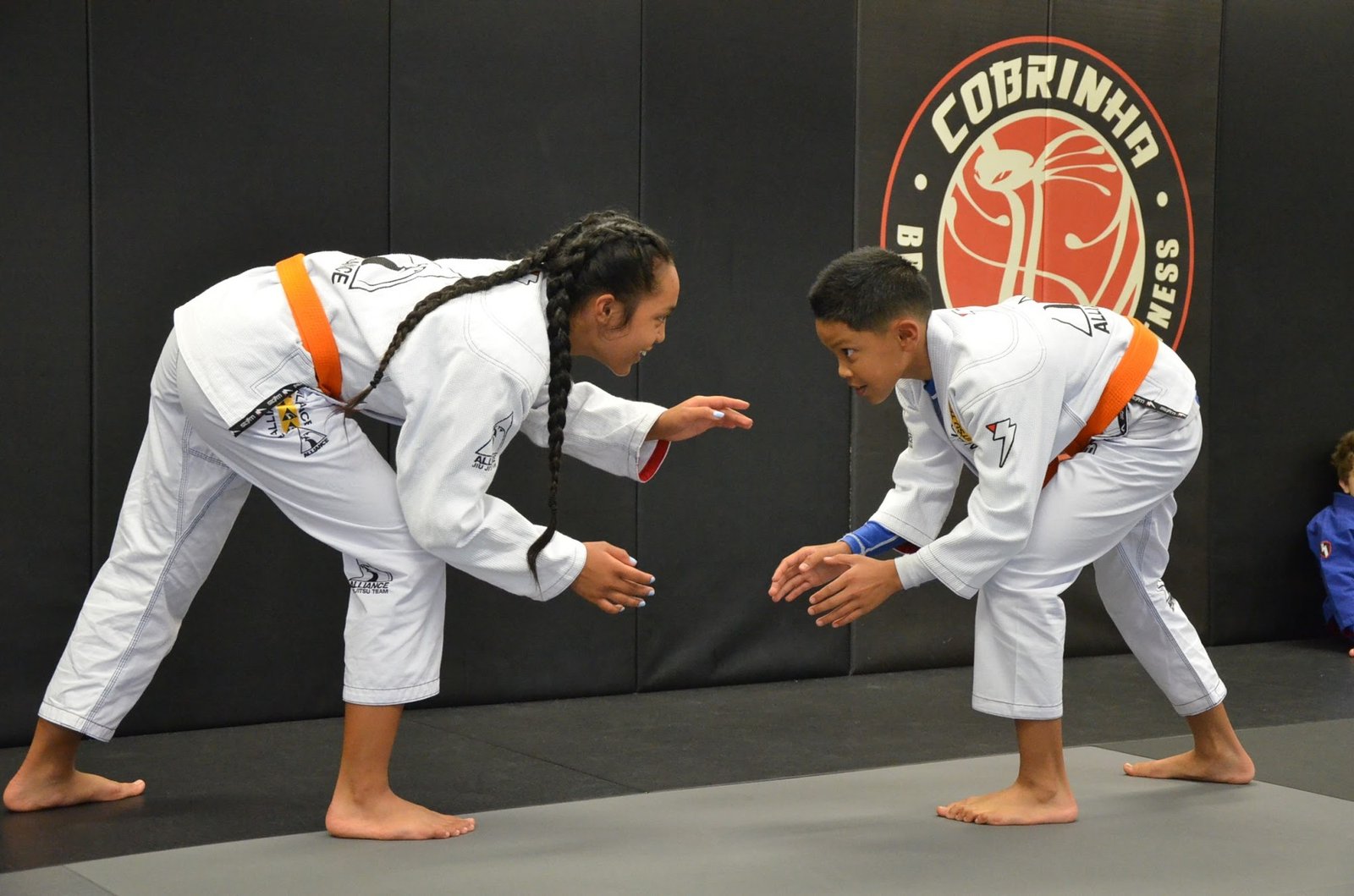
Timing and leverage are further explored in moves like the Deep Half Guard transitions. Here, using your opponent’s weight against them becomes essential, allowing you to execute sweeps while conserving your energy. Practicing at a place like Our Facility – Cobrinha Brazilian Jiu-Jitsu & Fitness offers an environment where you can develop these nuanced skills under the guidance of experienced instructors.
Integrating Advanced Guard Techniques
Advanced guard positions open a world of possibilities for offensive and defensive maneuvers. Techniques like the Lasso Guard and Worm Guard are pivotal for maintaining control and setting up submissions or sweeps.
#### Lasso Guard
The Lasso Guard allows you to control one of your opponent’s arms with your leg wrapped around it, creating a barrier they find difficult to bypass. This position facilitates transitions into submissions such as the Omoplata and also serves as a foundation for sweeps like the Lasso Sweep.
#### Worm Guard
The Worm Guard, popularized by modern competitors, uses the opponent’s gi lapel to entangle their legs, limiting their mobility. This advanced guard requires a strategic mindset and opens up numerous attacking pathways, including the infamous Worm Sweep.
By mastering these guards, you adapt to and manipulate your opponent’s strategies, maximizing your effectiveness on the mat. For practitioners looking to delve deeper into these techniques, the world-class instruction at Cobrinha BJJ offers a structured path towards excellence.
Mastering Submissions from Advanced Positions
Advanced BJJ isn’t solely about positioning; it’s also about submissions that can catch opponents off guard. The ability to execute submissions from diverse positions broadens your offensive arsenal.
Ezekiel Choke from Mount
The Ezekiel Choke, traditionally done from the top, can be innovatively applied from the mount or inside an opponent’s guard. This choke relies on creating a push-pull effect by locking the opponent’s head and arm, which effectively cuts off blood flow to the brain.
Bow and Arrow Choke from Back Control
With a firm grasp of advanced techniques, the Bow and Arrow Choke becomes an effective weapon. It uses the opponent’s gi, similar to drawing a bow, to exert pressure. Achieving back control before moving into this submission grants an advantageous position, creating a perfect setup.
Each of these submissions demands practice and fine-tuning, especially the ability to transition smoothly from one position to another. Cobrinha BJJ, guided by the legacy of Master Cobrinha’s Brazilian Grappling, can prepare you to execute these techniques with precision.
Navigating Complex Transitions During Sparring
Sparring is the ultimate test of your BJJ skills, where advanced techniques come into play. During sparring sessions, anticipating your opponent’s strategy while executing complex transitions is key.
The Art of Counters
In advanced BJJ, recognizing and responding to opponents’ tactics is vital. Effective counters disrupt opponent’s rhythms, creating opportunities for you to capitalize. Developing a repertoire of counters, such as reversing a De La Riva Guard, showcases your adaptability and strategic depth.
Maintaining Mental Focus
Mastering advanced techniques also involves maintaining mental composure. The ability to remain calm and react intelligently to your opponent’s moves can make or break your performance in sparring and competition. Rated 4.9★ by 201 members on Google, Cobrinha BJJ’s training programs instill focus and discipline in practitioners, critical elements in mastering advanced BJJ techniques.
Comparing Offensive and Defensive Strategies
To fully engage with advanced BJJ, understanding the interplay between offensive and defensive strategies is essential. Let’s explore this through a comparative lens.
“`html
| Offensive Strategy | Defensive Strategy |
|---|---|
| Aggressive Guard Passing | Effective Guard Retention |
| Setups for Submission Chains | Anticipating and Escaping Submissions |
| Pressure-Based Tactics | Reverse Pressure Utilization |
| Sweep to Submission Transitions | Breaking and Countering Sweeps |
“`
By understanding these strategies, practitioners can better anticipate their opponent’s moves and adapt accordingly. Practicing at a partner gym like Monarchy MMA offers additional insights into mastering advanced BJJ techniques for adults and enhances your strategic repertoire.
Key Takeaways
- Advanced BJJ focuses on mastering timing, leverage, and precision.
- Lasso and Worm Guard techniques widen your offensive options.
- Effective sparring requires mastering transitions and counters.
- Balancing offensive and defensive strategies is crucial to success.
- Training at Cobrinha BJJ offers a pathway to mastering complex techniques.
FAQ
What are the prerequisites for learning advanced BJJ techniques?
Generally, a solid understanding of basic BJJ fundamentals and techniques is required before progressing to advanced moves. A blue belt or higher signifies readiness to embrace these complexities.
How often should one practice to effectively learn advanced techniques?
Consistency is key. Practicing at least 3-4 times a week while focusing on deliberate practice during each session can lead to substantial improvement in mastering advanced techniques.
What are common challenges when learning advanced BJJ?
Common challenges include understanding complex positions, correctly timing moves, and maintaining mental focus during advanced sparring sessions.
Can adults of any age start learning advanced BJJ?
Yes, adults of all ages can start learning advanced BJJ techniques, provided they have the necessary foundational skills and physical conditions to handle the demands of rigorous training.
How can Cobrinha BJJ enhance my training experience?
With world-class instructors and a facility designed to encourage growth, Cobrinha BJJ provides a nurturing environment where practitioners can explore and refine their advanced skills under expert guidance.
What Our Students Say — 4.9★ | Based on 201 Reviews
★★★★★
“I wanted to quit jiu jitsu before joining Cobrinha BJJ. His positivity is uplifting and made me realize that I need to train because I truly love the sport.”
— Karna