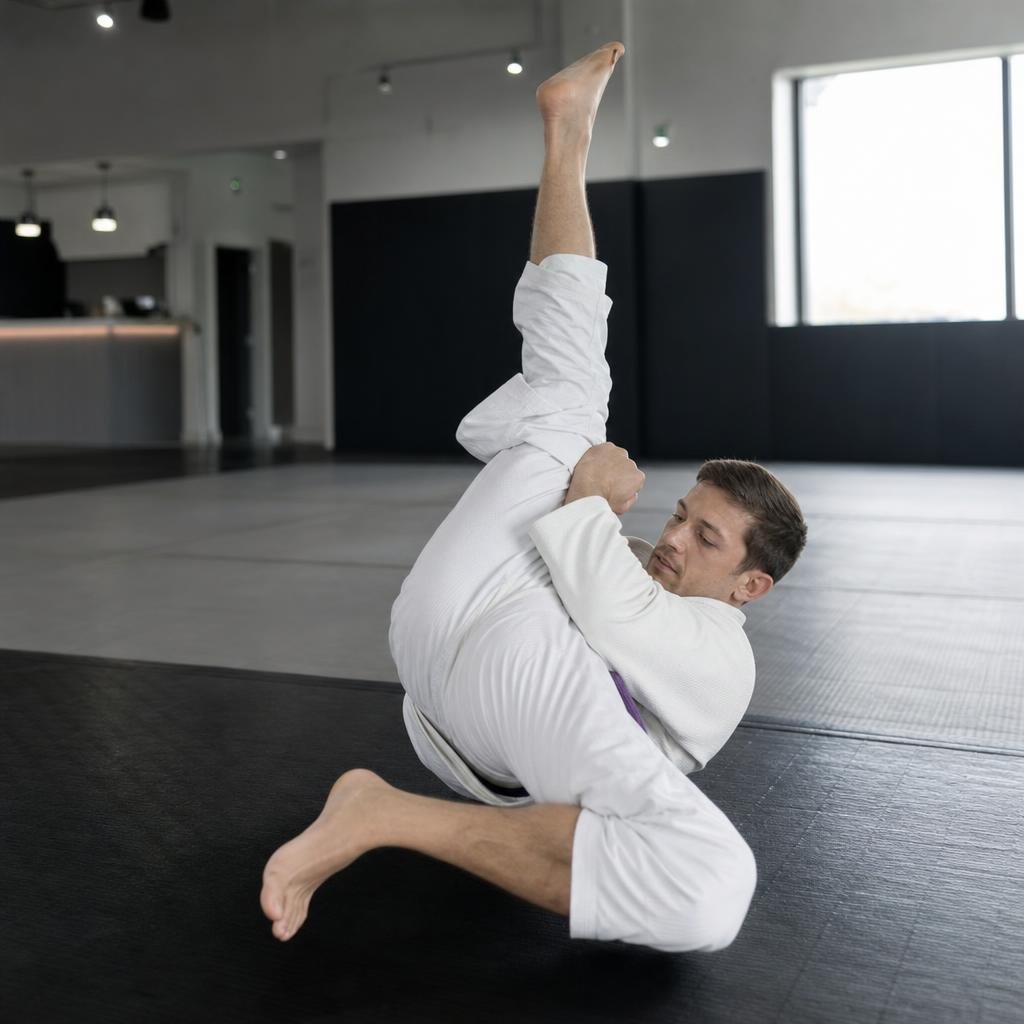
In the captivating world of martial arts, few disciplines offer the versatility and depth found in jiu jitsu. From self-defense and sport to lifestyle and philosophy, the art of jiu jitsu presents an array of styles that cater to the diverse interests of its practitioners. The unexpected truth is that mastering different types of jiu jitsu can enrich not just your physical capabilities but also your mental agility and overall lifestyle. Today, we’ll delve into some of the most popular variations of jiu jitsu and explore what makes each unique — and why they all find a welcoming home at Cobrinha BJJ in Los Angeles.
The Main Variants: BJJ, JJJ, and Sport Jiu Jitsu
When entering the broader conversation of jiu jitsu, one typically encounters three major forms: Brazilian Jiu Jitsu (BJJ), Japanese Jiu Jitsu (JJJ), and Sport Jiu Jitsu. Each comes with its distinct history, techniques, and focal points, which makes exploring them both enriching and critical for dedicated practitioners.
Brazilian Jiu Jitsu (BJJ)
Brazilian Jiu Jitsu is arguably the most popular type due to its emphasis on ground fighting and submission techniques. BJJ focuses on controlling one’s opponent through techniques that leverage body mechanics and leverage rather than pure strength. This allows individuals of smaller stature to defend themselves effectively against larger adversaries, which further contributes to its wide appeal.
In BJJ, practitioners learn to dominate their opponents using positions like the mount, guard, and back control. These positions enable one to execute submissions such as arm bars and rear-naked chokes skillfully. For those looking to deepen their understanding of grappling dynamics during recovery, BJJ.ee’s Kade Ruotolo covers this in detail and offers insights into how unconventional activities like fishing can also bolster recovery experiences.
Rated 4.9★ by 203 members on Google, Cobrinha BJJ offers a comprehensive curriculum that spans beginner introductions to advanced training, embodying the very spirit of Brazilian Jiu Jitsu’s effectiveness and fluidity.
Japanese Jiu Jitsu (JJJ)
Japanese Jiu Jitsu, the ancestor of Brazilian Jiu Jitsu, tells a rich history and focuses more on self-defense techniques. It is primarily practiced in a standing format, covering joint locks, throws, and some strikes. The art relies on the principles of redirecting an attacker’s energy to counterattack efficiently.
In contrast to BJJ’s focus on ground submission, JJJ places emphasis on lessons that stem from traditional samurai combat techniques. This is a fantastic style for those interested in historical methods of self-defense and understanding the origins of modern martial arts.
Sport Jiu Jitsu
Sport Jiu Jitsu serves as a blend between traditional jiu jitsu techniques and elements of sparring that cater to competitive formats. Its rulesets accommodate both standing game and ground techniques, providing a well-rounded system for martial artists who thrive in a competitive environment.
Competitive Sport Jiu Jitsu requires a well-rounded athlete who can adapt to both grappling and striking elements. The scoring system rewards strategic play and technical skill, ensuring participants take a comprehensive approach to their training.
Gi vs. No-Gi: A Matter of Preference
In addition to these primary variants, jiu jitsu practice is deeply influenced by whether one trains in a gi or without (no-gi). This distinction shapes not only technique preferences but also the entire approach to grappling.
Gi Jiu Jitsu
Training with a gi offers unique advantages. The gi, a traditional kimono, provides handles for gripping, which can be used to execute a range of techniques not possible in no-gi. This includes collar chokes and sleeve grips, focusing on tactical grasps to control an opponent.
The gi slows down the pace, allowing practitioners to deliberate on strategy and explore the technical facets of each maneuver meticulously. At Cobrinha BJJ, students have access to top-tier gi training facilities, providing the perfect stage to absorb these critical skills. Discover more about Cobrinha’s legacy here.
No-Gi Jiu Jitsu
Conversely, no-gi jiu jitsu is faster-paced and generally seen in mixed martial arts (MMA) environments. With its absence of extra material to grip, no-gi requires a more dynamic approach, relying heavily on underhooks, overhooks, and body manipulation.
For athletes aiming to pursue a career in professional MMA or simply refine their skills under more versatile conditions, no-gi offers a challenging yet exhilarating avenue of growth. At Cobrinha BJJ, both gi and no-gi classes are available, ensuring comprehensive development and skill mastery.
| Aspect | Gi Training | No-Gi Training |
|---|---|---|
| Gear | Traditional kimono | Rash guard & shorts |
| Pace | Slower, more deliberate | Faster, more dynamic |
| Techniques | Includes collar/sleeve chokes | Emphasizes joint locks and body holds |
| Transition | More grip-based strategies | Tends to be more fluid and mobile |
| Application | Common in traditional and sport settings | Prevalent in MMA and sport settings |
What Our Students Say — 4.9★ | Based on 204 Reviews
★★★★★
“Cobrinha Brazilian Jiu-Jitsu is the Harvard of Jiu-Jitsu. The instructors are excellent, the space is clean and organized, and the environment is very positive.”
— Luis
Beyond Techniques: The Lifestyle of Jiu Jitsu
Embracing jiu jitsu is more than just rolling on the mats; it is a lifestyle that encompasses personal growth, discipline, and a strong sense of community. At Cobrinha BJJ, we understand that jiu jitsu’s reach extends beyond just techniques and competitions.
Mental Fortitude
A crucial facet of jiu jitsu is its ability to build mental resilience. Training consistently helps practitioners develop patience, adaptability, and strategic thinking. Whether you’re dealing with the nerves of attending your first class or preparing for a professional tournament, mental strength forms the bedrock of jiu jitsu success.
Building a Community
Cobrinha BJJ isn’t just a place for technical refinement; it’s a thriving community where students support each other to achieve their training goals. This ethos helps foster friendships, accountability, and collective growth. Find top BJJ classes nearby to join this encouraging environment.
Key Takeaways
- Understand the different types of jiu jitsu, including BJJ, JJJ, and Sport Jiu Jitsu, to better tailor your training goals.
- Experiment with both gi and no-gi training for a balanced approach to grappling mastery.
- Jiu jitsu offers more than physical techniques; it builds mental fortitude and a supportive community.
- Cobrinha BJJ in Los Angeles is an exemplary place to practice and grow within these jiu jitsu styles.
- Approach jiu jitsu as a lifestyle to maximize its benefits beyond the mats.
FAQ
What is the best style of jiu jitsu for beginners?
Brazilian Jiu Jitsu (BJJ) is often recommended for beginners due to its focus on realistic ground self-defense tactics and controlled sparring.
Why should I consider no-gi training?
No-gi training is beneficial for those interested in the faster dynamics seen in MMA and for improving overall grappling agility.
How can I overcome first-class nerves?
Arrive early, keep an open mind, and remember everyone was a beginner once. Embrace the learning process at your own pace.
How does training in a gi differ from no-gi?
Gi training involves gripping the fabric to control an opponent, promoting a slower, more strategic fight, while no-gi is faster without the grips.
Is sport jiu jitsu a good path for competitive training?
Yes, sport jiu jitsu complements athletes who prefer competitive settings, providing a well-rounded system of grappling and striking techniques.
Exploring the various types of jiu jitsu can be a transformative journey. At Cobrinha BJJ, located in the heart of Los Angeles, you have the opportunity to engage with world-class instructors and a supportive community, setting you on a path of continuous learning and personal growth.
For more detailed insights into our world-class facilities dedicated to diverse jiu jitsu practices, check out Our Facility – Cobrinha Brazilian Jiu-Jitsu & Fitness. Whether you’re igniting your passion for the martial arts or refining advanced skills, the journey in jiu jitsu starts here.