When you think about learning how to fight, images of crowded gyms and rigorous training sessions might come to mind. But did you know it’s entirely possible to hone your combat skills from the comfort of your home? Despite the common conception that self-defense requires a partner or instructor by your side every step of the way, you can make significant strides in your martial arts journey independently.
Essential Techniques to Master Alone
Training at home provides unique opportunities for growth in certain martial arts aspects that often require repetition and self-reflection. Here are effective techniques you can focus on:
1. Shadow Boxing: This classic technique aids in developing speed, agility, and creative flow. Focus on throwing combinations of punches and kicks, imagining an opponent and how you would react to various attacks. This exercise is not only an aerobic workout, but it also improves your coordination and muscle memory.
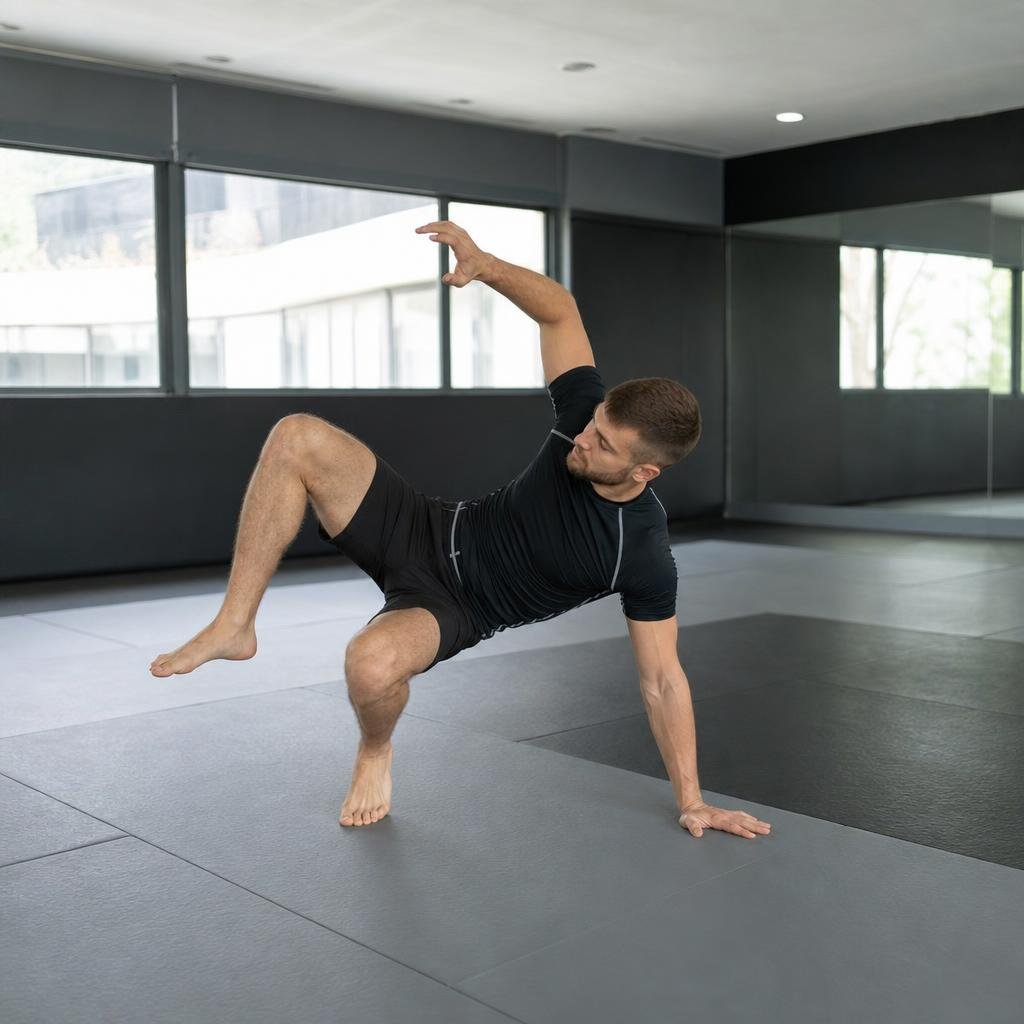
2. Solo Drills for Grappling: Techniques like shrimping, bridging, and penetrating steps are crucial for Brazilian Jiu-Jitsu (BJJ) enthusiasts. These drills enhance your movement and help in escaping positions such as mount or side control. For those eager to truly master Brazilian grappling, visiting Cobrinha BJJ can significantly support your journey.
3. Kata and Forms Practice: Many martial arts styles, including Karate and Taekwondo, incorporate forms or patterns of movements. Practicing these at home helps refine technique and builds muscle memory. Pay attention to stances, balance, and breathing during these exercises.
Creating a Home Dojo Space
The environment in which you practice plays a pivotal role in your training progression. Here’s how you can set up an effective home dojo:
Equipment Essentials
While you don’t need an elaborate setup, having some basic equipment can significantly enhance your at-home training:
– Matting: Invest in quality mats to ensure that your practice area is safe and forgiving for movements like rolls and falls.
– Mirror: Utilize mirrors to check your form during solo drills. Visual feedback is crucial for correcting posture and technique.
– Resistance Tools: Tools like resistance bands can help simulate partner drills and build muscle strength.
Atmosphere and Ambiance
Maintaining the right mindset is as important as physical practice. Decorate your space with motivational quotes or images of martial arts legends like Master Cobrinha, whose legendary achievements can be explored in depth in the Master Cobrinha’s BJJ Legacy article.
Developing a Training Routine
Consistency is crucial in mastering any martial art. Here’s how you can organize your training routine for optimal results:
1. Warm-Up and Stretching: Begin each session with a thorough warm-up and dynamic stretching to prevent injuries.
2. Focused Skill Sessions: Dedicate time to specific skillsets. For instance, spend Mondays working on boxing footwork and Wednesdays on grappling solo drills.
3. Feedback and Adjustments: Use video recordings of your sessions for self-assessment. Compare your techniques against detailed tutorials, and adjust where necessary.
4. End with Cool Down: Conclude each session with static stretching exercises to aid muscle recovery and flexibility.
Self-Defense Mindset and Strategy
As you further your training at home, developing the right mindset is equally important as learning physical techniques:
– Situational Awareness: Practice awareness exercises, such as noticing exits in a room or observing people’s behaviors. These skills are vital in real-world scenarios.
– Mental Visualization: Engage in mental rehearsals where you visualize defending yourself against an attacker. This psychological preparation can enhance your reaction times and decision-making skills during actual encounters.
– Micro-Practice Consistency: Even short, focused sessions can be extremely beneficial. Allocating just 10 minutes a day to work on a specific move can lead to significant improvements over time.
Evaluating Progress and Seeking Feedback
Regular self-assessment can guide your progress and highlight areas that need improvement:
1. Goal Setting: Define short-term and long-term goals. For example, aim to master a specific punching combination or improve your endurance over a month.
2. Skill Comparison Table
| Technique | Progress Evaluation Criteria |
|---|---|
| Shadow Boxing | Speed, fluidity, accuracy, and consistency |
| Shrimping Drills | Efficiency, speed of movement, and smoothness |
| Katas | Precision in movements, balance, and execution |
| Forms Practice | Correctness of stances, balance, breathing techniques |
3. Join a Community: While training at home, it’s still beneficial to be part of a larger community. Martial arts forums and virtual competitions can provide external feedback and help measure your progress against others. Remember, Cobrinha BJJ offers community-focused opportunities where you can advance your skills once you’re ready for in-person practice.
Key Takeaways
- Home training can effectively develop martial arts skills with the right techniques and mindset.
- Creating a dedicated training space aids focus and consistency.
- Adopt a well-structured routine that includes warm-ups, skill practice, feedback, and cooling down.
- Regular self-assessment ensures steady progress and identifies areas that need improvement.
- The Cobrinha BJJ community can further elevate your training once you transition to in-person classes.
FAQ
Can I learn martial arts safely without a partner?
Yes, you can learn safely by focusing on solo drills, forms, and shadowboxing. Ensure you use proper equipment like mats to prevent injuries and regularly assess your progress.
What styles are best to practice alone at home?
Styles that emphasize katas or forms, like Karate and Taekwondo, are well-suited for solo practice. Brazilian Jiu-Jitsu also offers many solo drills that improve movement and technique.
How do I stay motivated when training alone?
Set specific goals, track your progress through videos, and engage with online communities. Virtual events and challenges can also provide motivation and a sense of achievement.
Is watching tutorials online enough for learning self-defense?
Online tutorials are valuable resources but should complement hands-on practice and feedback from instructors when possible. Consider them as stepping stones in your martial arts journey.
How can I prepare for the transition to in-person classes?
Building a foundation through home training will prepare you for in-person classes. Be prepared for feedback and adjustments as you learn to spar with others. Explore BJJ Classes for Adults for more details on transitioning smoothly.
For those looking to deepen their understanding of challenging techniques such as defending from precarious positions, BJJ.ee’s brutally honest insight into high-level training struggles covers this in detail.
What Our Students Say — 4.9★ | Based on 202 Reviews
★★★★★
“I finally found my home at Cobrinha BJJ. It is a safe place to learn jiujitsu.”
— Poorolu