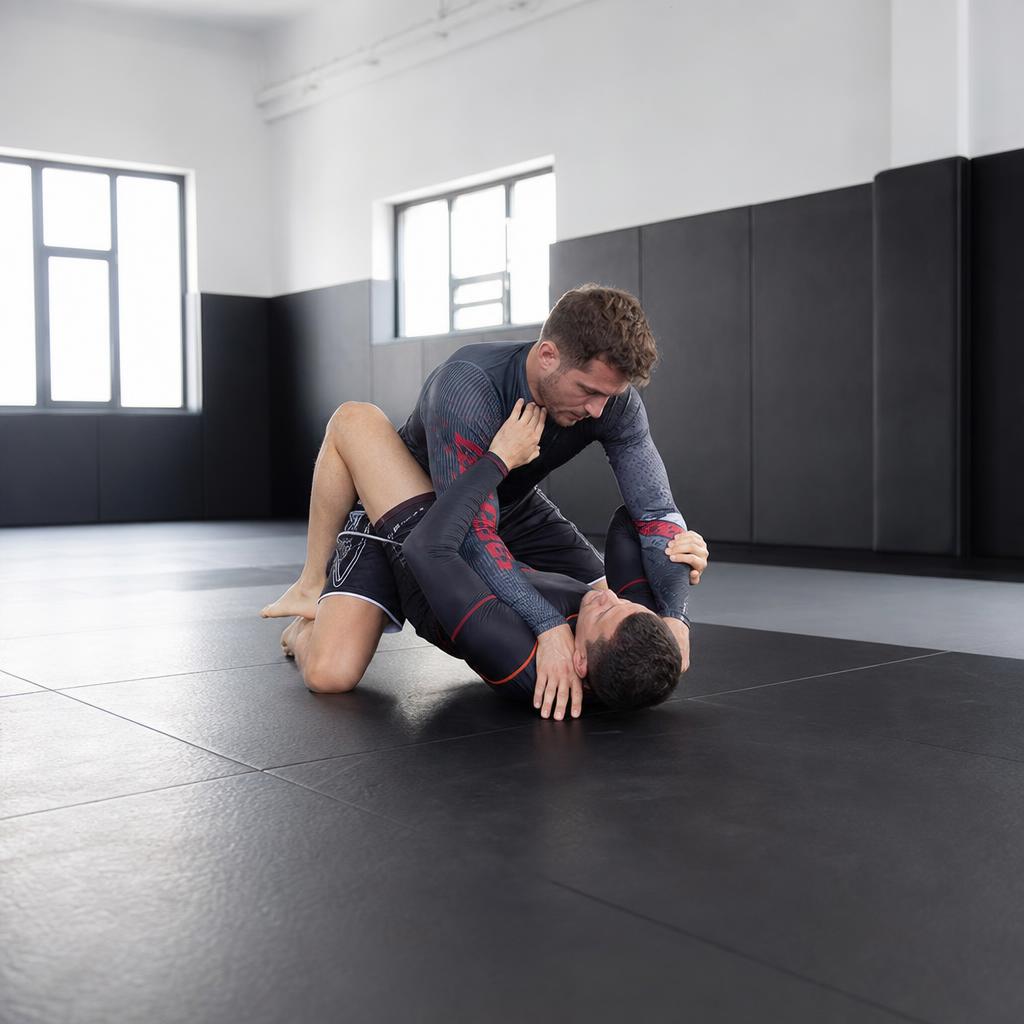
Brazilian grappling has taken the martial arts world by storm with its unique blend of strategy, flexibility, and power. Did you know that this art form, distinguished from mainstream jiu-jitsu, focuses intensely on ground fighting? Unlike other martial arts that focus on striking or kicking, brazilian grappling employs leveraging, hold techniques, and positioning to control or submit an opponent. If you’re reading this, you’re probably interested in understanding how a seemingly subtle shift on the mat can turn the tide of competition. Whether you’re new to the world of BJJ or a seasoned fighter, there’s always room to deepen your grappling knowledge.
Understanding Brazilian Grappling Positions
Brazilian grappling, or Brazilian Jiu-Jitsu (BJJ), revolves around mastering various positions from which you can effectively control or submit your opponent. Understanding these positions will enhance your tactical approach to sparring and competition.
The Guard Position
One of the foundational positions in brazilian grappling is the guard, a scenario where one practitioner uses their legs to control the opponent from the bottom. Guards can be categorized into several types, each serving a strategic purpose:
1. Closed Guard: Characterized by the practitioner wrapping their legs around the opponent’s waist. This position provides excellent control and numerous submission opportunities such as chokes and armbars.
2. Open Guard: Involves using the legs and feet to push and control a standing opponent, offering flexibility and the chance to sweep an opponent off balance.
3. Spider Guard: Utilizes a gripping technique where the practitioner hooks their feet onto the opponent’s arms while grasping their sleeves, making it difficult for them to advance.
Mastering guard techniques allows a grappler to dictate the pace even from a seemingly disadvantaged position.
Side Control
Once you have passed your opponent’s guard, side control comes into play as an advantageous spot for transitioning between attacks or improving position. Classic side control involves pinning the opponent on their back while you position yourself perpendicularly on top, ensuring you have leverage over them.
From side control, you can initiate a number of offensive moves, including transitioning to mount or executing submissions like the Americana lock. The effectiveness of side control lies in your ability to balance pressure and agility, maintaining dominance over your opponent.
For those looking to deepen their understanding of combative position transitions, Cobrinha BJJ’s guide on passing covers this in detail.
The Art of Submission
The core objective of brazilian grappling is to compel an opponent to submit through joint locks and chokeholds. These submissions not only end a match but also teach practitioners about body mechanics and vulnerability.
Joint Locks
Joint locks involve manipulating an opponent’s joint to the extent of pain or threat of injury, compelling them to tap out to avoid harm. The armbar is a quintessential joint lock where the practitioner hyperextends the opponent’s elbow joint. Other common locks include kimuras and the aforementioned Americana, targeting the shoulder.
Chokeholds
Chokeholds are another powerful submission tool, primarily targeting the opponent’s air supply or blood flow to the brain. The rear-naked choke, for instance, is a popular move executed from the back, immobilizing the opponent while applying pressure to the neck. Mastering chokes involves precision and patience, often relying on perfect positioning to ensure effectiveness.
Training Techniques for Brazilian Grappling
Training for Brazilian grappling involves not just physical conditioning but also cognitive understanding. Whether you’re stepping into your first class or preparing for a competition, efficient training can define your performance.
Building Physical Endurance
Physical endurance is crucial, as matches can be taxing. Techniques such as rolling (live sparring) enhance cardiovascular fitness while developing muscle memory for transition and submission attempts. Regular conditioning, including strength training and flexibility exercises, prepares one’s body to endure the demands of grappling.
Tactical Drills
Daily practice should include tactical drills focusing on position and submission transitions. Practicing these drills against resistant partners simulates real combat scenarios and hones reflexive actions necessary for quick and effective grappling.
Overcoming Common Challenges
Every grappler faces challenges, from first-class nerves to refining technique.
Dealing with Competition Stress
Preparing for competition can be stressful, yet the experience hones skills and cultivates mental fortitude. To overcome pre-competition anxiety, focus on rehearsing familiar moves and mentally visualizing match scenarios.
Recovering from Injuries
Injuries, unfortunately, are a reality in brazilian grappling. Rehabilitation should be approached with patience, emphasizing slow progression back to full strength. Consulting with a healthcare professional and practicing advanced techniques under supervision can prevent further injury.
For a personalized approach to mastering specific techniques and overcoming unique challenges, consider a private class at Cobrinha BJJ.
Comparing Beginner and Advanced Techniques
Here’s a comparison between techniques favored by beginners and more advanced practitioners in brazilian grappling:
| Aspect | Beginner Approach | Advanced Approach |
|---|---|---|
| Guard | Closed Guard | Spider or De La Riva Guard |
| Submissions | Simple chokeholds | Complex transitions like Triangle Choke |
| Passing Guard | Basic pressure passes | Explosive and agile footwork-based passes |
| Sweeps | Basic scissor sweep | Advanced X-guard sweeps |
| Positioning | Reliance on basic holds | Fluid transitions between multiple positions |
Key Takeaways
- Understanding foundational positions is crucial for effective control and attacks in grappling.
- Submissions rely on perfect execution and body mechanics for effectiveness.
- Regular conditioning and tactical drills enhance physical resilience and strategy adaptation.
- Effective competition preparation involves mental and physical readiness.
- Recovery from injury requires cautious progression and supervision.
FAQ
What is brazilian grappling?
Brazilian grappling, often termed Brazilian Jiu-Jitsu, focuses on ground fighting and submission techniques using leverage and body positioning to control or incapacitate an opponent.
How can I improve my grappling skills?
Regular practice, understanding crucial positions, conditioning, and tactical drills can significantly enhance your grappling technique.
What should I expect in my first BJJ class?
Expect a welcoming environment where you’ll learn foundational techniques and drills. It’s natural to feel nervous, but remember everyone started somewhere.
Is it necessary to compete in tournaments?
Competitions are beneficial for testing skills and gaining experience but are not mandatory. Many people practice BJJ solely for fitness and self-discipline.
Why choose Cobrinha BJJ for training?
Cobrinha BJJ in Los Angeles offers world-class instruction led by 8x World Champion Rubens Charles, with a welcoming community rated 4.9★ by 199 members on Google.
Immerse yourself in the world of Brazilian grappling at Cobrinha BJJ, where you can refine your skills, face challenging scenarios, and join a community passionate about martial arts. For those interested in exploring Nogi styles, check out Cobrinha Brazilian Jiu-Jitsu & Fitness.